Ever notice that an old bag of weed hits differently than a fresh one? Part of the answer is CBN. It's showing up on more labels every year, usually next to the word "sleep," so here's what it is, what science actually knows, and what's still hype.
What Is CBN?
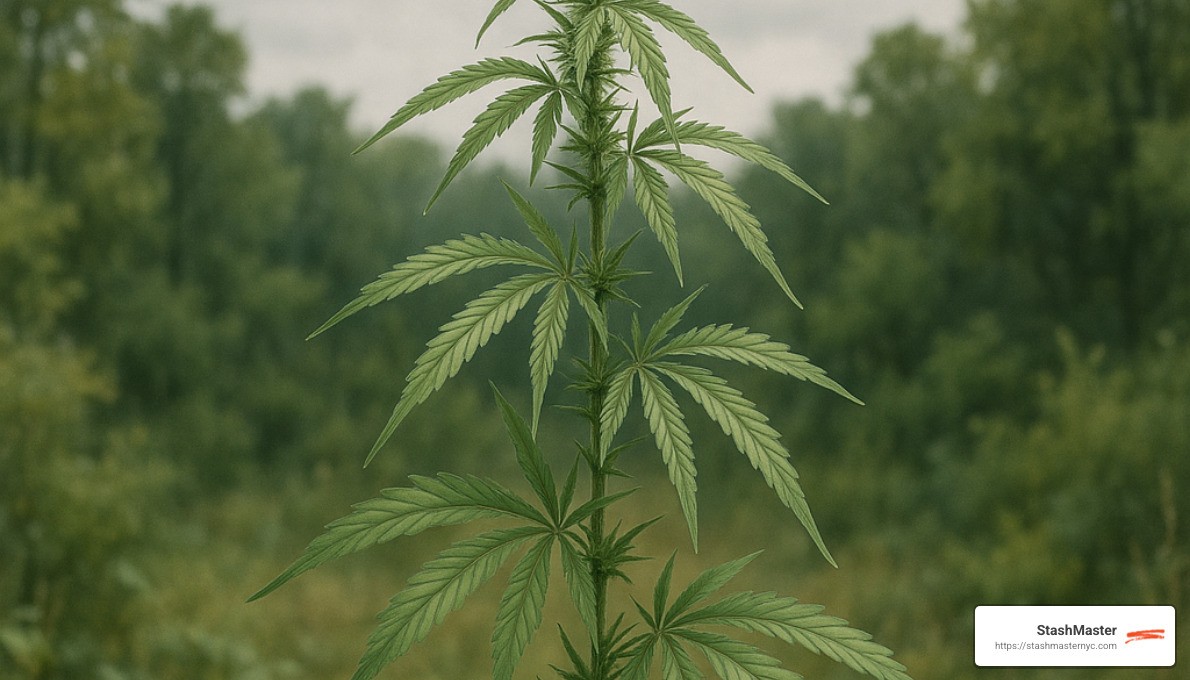
CBN (cannabinol) is a naturally occurring compound in the cannabis plant. Unlike THC and CBD, the plant doesn't make much of it directly. CBN mostly forms when THC breaks down over time, especially when cannabis is exposed to oxygen, heat or UV light. The older and more exposed the flower, the more CBN it tends to have.
It's not a new discovery. Researchers first isolated cannabinol back in the late 1800s, making it one of the first cannabinoids ever identified. For most of the century that followed, though, it got far less attention than THC and CBD.
We like to call CBN the well-aged wine of cannabinoids. As cannabis ages, its chemistry shifts, and some people notice older flower feels sleepier or more relaxing. Whether that's CBN alone, or CBN working alongside other compounds and terpenes, is one of the open questions researchers are still chasing.
How Does CBN Work in the Body?
Like THC and CBD, CBN interacts with the endocannabinoid system (ECS), a network of receptors and signaling molecules involved in things like sleep, mood, appetite and pain perception. The two best-known receptors are CB1, found mostly in the brain and nervous system, and CB2, found mostly in the immune system and around the body.
CBN binds to both, but much more weakly than THC does at CB1, the receptor responsible for the classic high. That's why CBN is considered only mildly intoxicating. Lab work suggests it may lean toward CB2 and may also act on other targets, including a pain-related channel called TRPV2.
There's one more twist. When your body processes CBN, it creates a metabolite called 11-OH-CBN. Animal studies suggest this metabolite reaches the brain readily, and some researchers think it could explain part of CBN's effects. Most of this comes from lab and animal work, so take it as a promising lead rather than settled science.
What Does Research Say About CBN?
Short version: interesting, early and not yet conclusive. Here's where things stand.
Sleep
CBN's nickname, "the sleepy cannabinoid," came mostly from the observation that aged cannabis makes people drowsy. Animal studies have found that CBN increased certain types of sleep in rats. In people, a handful of small studies have shown mixed results, and larger clinical trials are under way. Researchers themselves have pointed out that CBN's sleep reputation spent decades running ahead of the evidence. For more on how people use cannabis at bedtime, see our guide to the best edibles for sleep.
Other Areas Being Studied
Scientists are also looking at CBN in lab and animal studies of pain, inflammation, appetite, nerve cells and even antibiotic-resistant bacteria. Some findings look intriguing, including work suggesting CBN and CBD together affected pain responses in rats. None of it is proof that CBN does any of these things in people, and none of it is a reason to use CBN instead of seeing a doctor.
Our take
Some people tell us they like CBN as part of a nighttime routine, and that's worth something. But we won't tell you it treats anything, because the science isn't there. If you have an ongoing sleep or health issue, talk to your doctor.
How Is CBN Different From CBD and THC?
All three are cannabinoids, but they behave differently.
| CBN | CBD | THC | |
|---|---|---|---|
| How it forms | Mostly from aging THC | Made by the plant (from CBDA) | Made by the plant (from THCA) |
| Intoxicating? | Mildly, at most | No | Yes |
| Receptor activity | Weak at CB1 and CB2 | Indirect, works on many targets | Strong at CB1 |
| Common use | Nighttime blends | Daytime calm, non-intoxicating products | Recreational high, relaxation |
| Research | Early | Well studied | Well studied |
Formation
THC and CBD exist in raw cannabis as acids (THCA and CBDA) and convert when heated, a process called decarboxylation. CBN develops later, as THC degrades.
Psychoactivity
THC is strongly intoxicating. CBD isn't intoxicating at all. CBN sits in between, much weaker than THC, and at low doses most people won't notice a high from it.
CBN or CBD?
People who want a nighttime product often look at CBN blends. People who want something non-intoxicating for daytime usually look at CBD. Many products combine them, and some people find a blend feels more balanced. Your body chemistry is unique, so keeping a simple journal of what you try and how it felt is the best way to learn what works for you.
How Do People Take CBN?
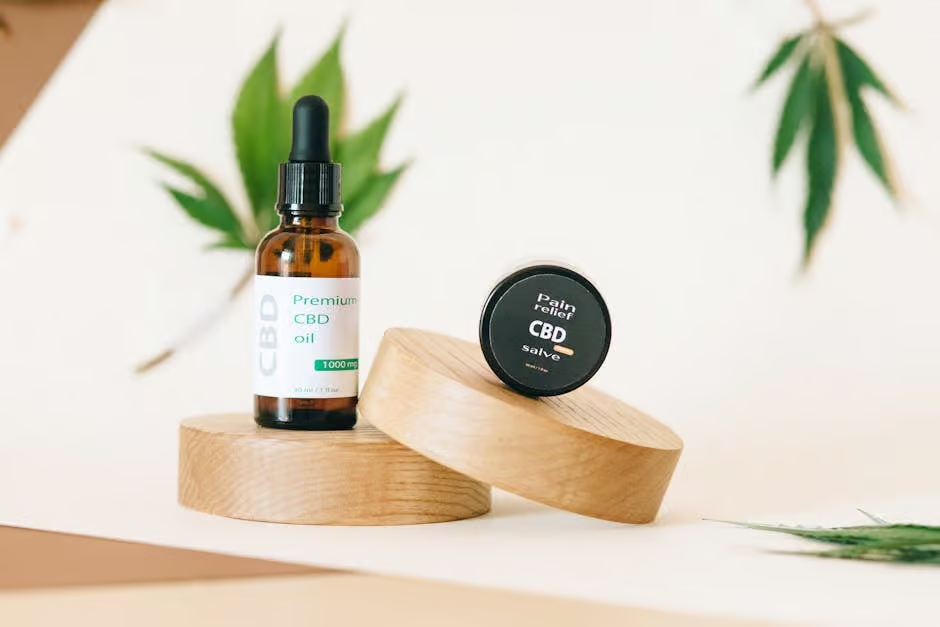
- Tinctures and oils. Held under the tongue or mixed into a drink. The dropper makes it easy to adjust your dose, and effects usually start within 15 to 45 minutes.
- Edibles. Gummies are the most common CBN product, usually paired with THC. They take longer to kick in, often 30 minutes to two hours, and last for hours.
- Topicals. Creams and balms applied to the skin. They don't produce a high, and people use them as part of a post-workout or end-of-day routine.
- Vapes. The fastest onset, usually within minutes, but the effects fade sooner than with edibles or tinctures.
Whatever form you choose, start with the smallest serving on the label and wait before taking more. If you want something without THC at all, browse our CBD products, and ask a budtender which CBN options are in stock.
What Are the Risks and Side Effects?
From the limited research and reports available, CBN seems to be well tolerated by most adults. Possible side effects include:
- Drowsiness. Great before bed, not great before a meeting or behind the wheel.
- Dry mouth. The classic cottonmouth. Drink water.
- Appetite changes. Some people notice a mild case of the munchies.
- Dizziness. More likely at higher doses or if you're new.
Medication Interactions
CBN is processed in the liver by the same family of enzymes (cytochrome P450) that handles many prescription drugs, including blood thinners, heart medications, some antidepressants and seizure medications. That means interactions are possible. If you take any prescription medication, check with your doctor or pharmacist first.
Who Should Be Extra Careful
Skip CBN and other cannabis products if you're pregnant or breastfeeding. Talk to a healthcare provider first if you have a history of substance use disorder or a psychiatric condition. And remember that New York's adult-use market is for people 21 and over.
Is CBN Legal in New York?
Yes, for adults. Since the Marijuana Regulation and Taxation Act passed in 2021, adults 21 and over in New York can legally buy cannabis products, including those containing CBN, from licensed dispensaries. Products sold in licensed shops are lab tested under Office of Cannabis Management rules, so you know what's in them.
Rules for hemp-derived cannabinoid products sold outside dispensaries are more complicated and have been changing, which is one more reason to buy from a licensed store. Don't take cannabis across state lines or abroad. Learn more about the rules on our recreational cannabis page.
CBN FAQs
Does CBN get you high?
Not much. CBN binds weakly to the CB1 receptor that produces THC's high, so at low doses most people won't feel intoxicated from CBN alone. At higher doses some people notice mild effects. Keep in mind that most CBN gummies also contain THC, and that THC will get you high, so read the label for both numbers.
Can CBN make you fail a drug test?
It's possible. Most drug tests look for THC metabolites, not CBN, but CBN is chemically similar to THC and could cause cross-reactivity on some tests. On top of that, many CBN products contain THC. If you're subject to drug testing for work or any other reason, the safest choice is to avoid CBN and THC products entirely.
How much CBN should I start with?
There's no established dose. Research hasn't pinned down how much CBN people need for any particular effect, and products vary a lot. The practical approach is to start with the smallest serving on the package, pay attention to the THC in the same product, and wait a full cycle before trying more. A budtender can help you find a lower-dose option.
Is CBN better than melatonin?
They work in different ways. Melatonin is a hormone your body makes to regulate its sleep-wake cycle, while CBN interacts with the endocannabinoid system. Research comparing the two is very limited, so there's no clear winner. Some people prefer one, some the other. Ask your doctor before combining them or using either regularly.