If indica is the cozy blanket of the cannabis world, sativa is the strong cup of coffee. Here's what the plant actually is, what's inside it, and why people reach for it when they want to get up and go instead of sink into the couch.
What Is Cannabis Sativa?
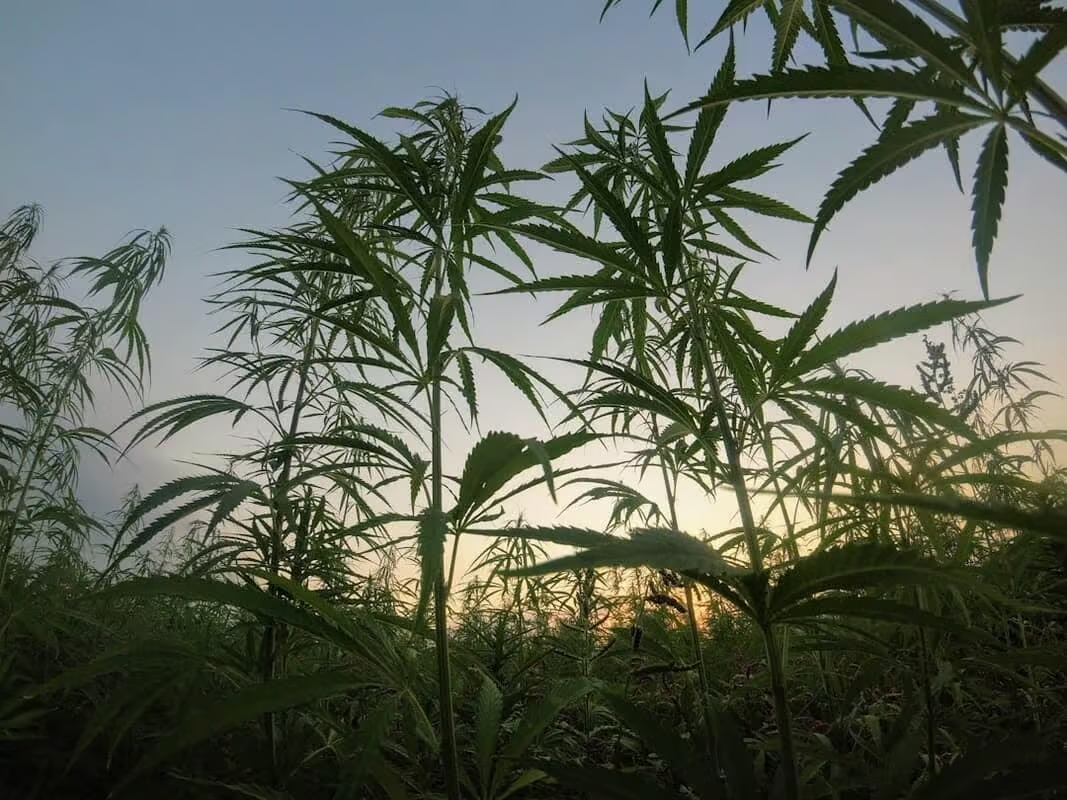
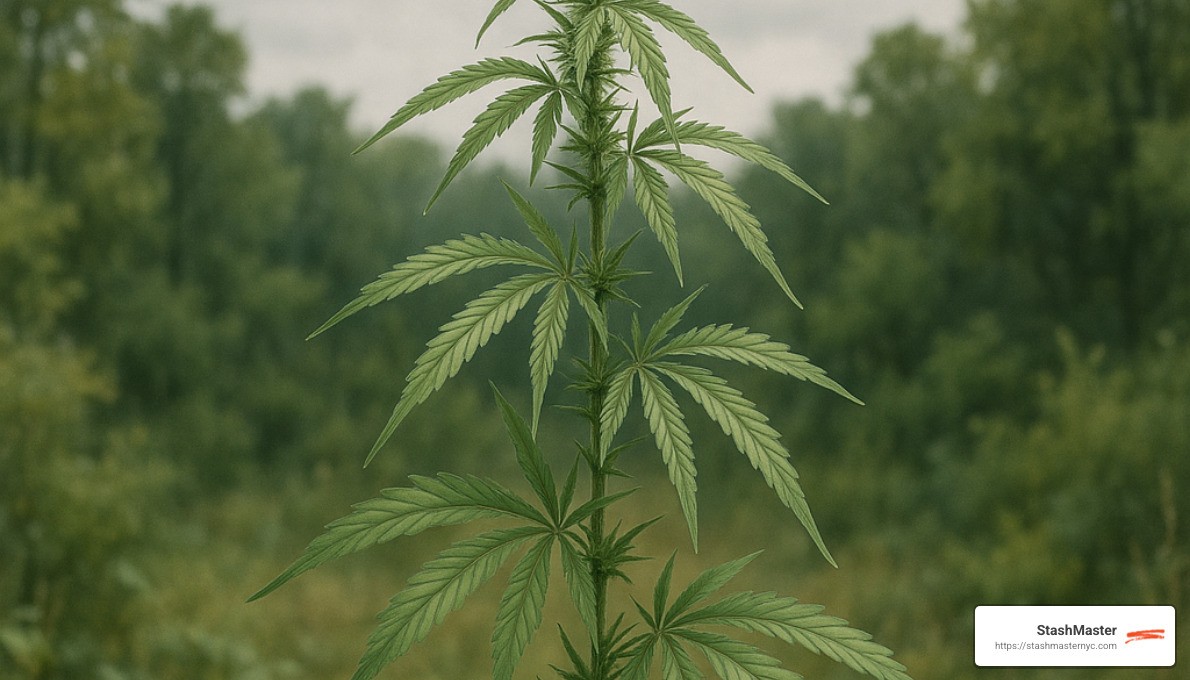
Cannabis sativa is a flowering plant in the Cannabaceae family, the same family as hops. Sativa-type plants are known for growing tall and slender with long, narrow leaves, and their roots trace back to temperate Asia. Over thousands of years, people carried the plant around the world and bred it for very different jobs.
That's why the name covers so much ground. Botanically, cannabis sativa is a highly variable species that includes both industrial hemp, grown for rope, textiles, seed and oil, and the THC-rich cannabis sold in dispensaries. When budtenders talk about "sativas," though, they usually mean strains with that tall-plant heritage and an energetic reputation. For the basics on how all of this fits together, start with Cannabis 101.
How Does Cannabis Sativa Work With the Endocannabinoid System?
Your body has an endocannabinoid system (ECS), a kind of internal balancing network that helps regulate things like mood, appetite, sleep and how you perceive pain. It works through receptors, with the two best known called CB1 and CB2.
Think of CB1 and CB2 as doors, and the compounds in cannabis as keys. THC fits CB1, which is found mostly in the brain, and that's what produces the high (and the munchies). CBD works more indirectly and doesn't get you high. Researchers are still working out the details, but that basic interaction is the reason the same plant can be a party for one person and a calm evening for another.
The Key Chemical Compounds in Cannabis Sativa
Cannabis contains more than 100 cannabinoids plus a long list of aromatic compounds. A few do most of the heavy lifting.
Cannabinoids
THC and CBD are the headliners and the most studied. THC binds to CB1 receptors in the brain and is responsible for euphoria and the classic high. CBD works on several receptors throughout the body and can soften some of THC's intensity, which is why balanced THC and CBD products often feel gentler. Minor cannabinoids like CBG and CBN show up in smaller amounts.
Terpenes
Terpenes are the plant's essential oils, the compounds behind every strain's smell and taste. Sativa-leaning strains often feature bright terpenes like limonene (citrus), pinene (pine) and terpinolene (fresh, herbal, a little floral). Many people believe terpenes and cannabinoids work together, an idea called the entourage effect, which is one reason two strains with the same THC number can feel different.
What Makes Cannabis Sativa Different From Indica?
It's the classic coffee versus chamomile comparison. Sativas are associated with uplifting, energetic, creative effects that suit daytime. Indicas are associated with body-heavy relaxation that suits the evening.
| Sativa | Indica | |
|---|---|---|
| Plant shape | Tall, slender, narrow leaves | Short, bushy, broad leaves |
| Reputation | Energizing, heady, social | Relaxing, body-focused |
| Common terpenes | Limonene, pinene, terpinolene | Myrcene, caryophyllene, linalool |
| Typical time of day | Daytime | Evening |
A word of honesty: these labels describe plant shape and tradition more than chemistry. Most modern strains are hybrids, and a sativa isn't automatically higher in THC than an indica. The effects you feel come down to the specific mix of cannabinoids and terpenes in your product, plus your own body. Our guide to hybrid weed goes deeper on that middle ground.
What Do People Use Cannabis Sativa For?
Historically, cannabis sativa has been used for rope, cloth, paper, food and traditional remedies in cultures across Asia and beyond. Today, scientists are studying cannabis compounds for a range of possible uses, but much of that research is still early, and none of it means cannabis treats or cures a specific condition.
Recreationally, people tend to reach for sativa-leaning strains when they want:
- A mood lift for a creative project, a walk or a museum day
- Something social for a cookout or a night out with friends
- A daytime high that leaves them functional rather than couch-locked
If you're considering cannabis for a health reason, talk to a healthcare professional first.
Are There Risks or Side Effects With Cannabis Sativa?
Yes, and sativas have a few of their own. That energetic, heady quality can tip into anxiety or a racing mind for some people, especially at high doses. Other common side effects include dry mouth, red eyes, dizziness and a faster heartbeat. Start low, go slow, and if you know you're prone to anxiety, consider a balanced THC and CBD option.
Know the rules, too. In New York, adults 21 and over can legally buy and possess cannabis, but you can't use it in a car, never drive high, and don't take it across state lines. Our recreational cannabis guide covers where you can and can't consume.
Finding Sativa Strains at StashMaster
Our budtenders can help you find a sativa that fits your plans, whether that's a busy Saturday or an afternoon making art. Browse flower and pre-rolls, or filter the live menu for energetic and focused effects. We're at 1119 Broadway, open daily from 8 AM to 1 AM.
Cannabis Sativa FAQs
What does a sativa high usually feel like?
People usually describe sativa-leaning strains as uplifting, energetic and heady: a brighter mood, more chattiness, and a buzz that feels more in the head than the body. Some compare it to a strong coffee without the jitters, though high doses can feel racy. The exact feeling depends on the strain's THC, CBD and terpenes, your tolerance and your setting.
Is cannabis sativa stronger than indica?
Not necessarily. Sativa and indica describe plant shape and traditional reputation, not potency. A sativa can test lower or higher in THC than an indica depending on the specific strain, grower and harvest. To judge strength, check the THC percentage on the label of the product you're buying and start with a small amount.
Is cannabis sativa legal to buy in New York?
Yes. Adults 21 and over can buy cannabis, including sativa strains, from licensed adult-use dispensaries in New York. Adults may possess up to 3 ounces of cannabis and up to 24 grams of concentrated cannabis in public. Licensed shops like StashMaster check ID on every visit and sell only lab-tested products.